Why Parents Must Go First
Children do not learn emotional regulation through explanation.
They learn it through observation.
Before a child has the capacity to regulate themselves, they borrow regulation from the adults in their lives. This happens quietly—through tone, pacing, presence, and the way a parent responds to stress.
Self-Reiki begins here.
Not as a technique.
Not as something to “do” to a child.
But as the way a parent meets themselves first.
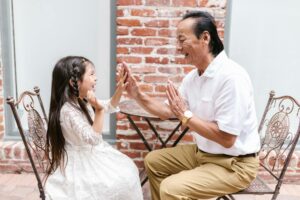
Self-Reiki Is a Relationship, Not a Tool
Many parents assume self-Reiki is something to reach for only when emotions escalate. In reality, self-Reiki is a relationship with one’s own energy and nervous system.
It shows up in moments such as:
- pausing before reacting
- noticing tension in the body
- choosing to slow rather than push through
- allowing emotion without judgment
When practiced consistently, self-Reiki becomes less about managing behavior and more about staying connected—internally and relationally.
Children Learn From What They Witness
Children do not need to understand Reiki to be influenced by it.
They notice when a parent:
- breathes instead of snaps
- softens instead of stiffens
- takes a moment instead of rushing to control
In these moments, children learn that emotions are not emergencies. They learn that regulation is possible. They learn that connection comes before correction.
This is how self-Reiki becomes part of family life—without explanation, instruction, or pressure.
Moving From Reaction to Presence
Many adults were raised to override their bodies and emotions. As parents, this can show up as urgency, frustration, or self-criticism when things feel out of control.
Self-Reiki offers another option.
It invites parents to notice:
- where the body is holding stress
- when the nervous system feels activated
- how slowing down changes the moment
This shift—from reaction to presence—creates safety not only for the child, but for the parent as well.
Respecting Energy Rather Than Controlling It
Self-Reiki is not about fixing emotions or forcing calm.
It is about listening.
When parents learn to stay with their own internal experience without judgment, children receive an unspoken message: it is safe to feel.
This approach prevents spiritual bypassing and removes pressure from both parent and child. Emotions are allowed to move. Energy is met with awareness rather than control.
The Role of Training and Attunement
While awareness and presence are accessible to everyone, working intentionally with Reiki energy is traditionally supported through training and attunement. This process helps individuals engage with the energy more clearly, safely, and consciously.
For families, this understanding matters.
It reinforces that Reiki is not something to improvise or force, but something to learn with respect—often together.
To explore how children naturally learn emotional and energetic patterns from their environment, you may find this article supportive:https://wendylynnjohnson.com/energetic-blueprint-children-learn-from/
Conclusion: Leadership Through Presence
Self-Reiki begins with the parent—not because parents must be perfect, but because children learn from what they experience.
When a parent chooses presence over reaction, awareness over urgency, and connection over control, the entire family system begins to soften.
This is how Reiki becomes part of everyday life.
Not through instruction.
But through example.
For a grounded overview of how self-regulation develops and why it matters, this resource https://www.verywellmind.com/what-is-self-regulation-5197024