How Teens Learn to Regulate Energy in a World That Never Slows Down
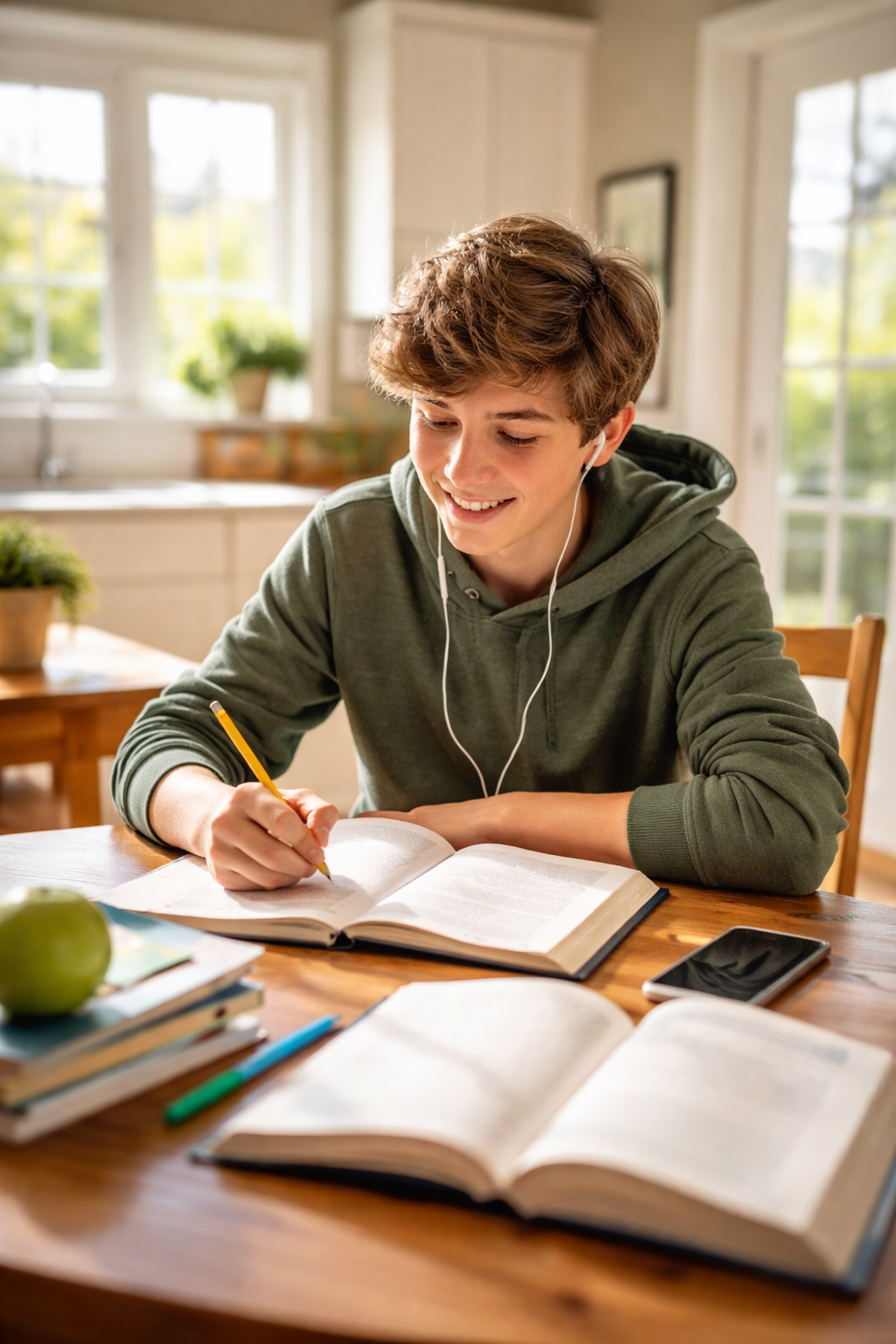
Teenagers live in a constant state of input. Expectations, social pressure, academic demands, identity formation, and emotional intensity all converge at once. Teens nervous systems are still developing, yet they are often asked to function as if they are already adults.
For many teens, overwhelm does not show up as words. It shows up as withdrawal, irritability, shutdown, anxiety, or exhaustion. And just like younger children, teens respond less to instruction and far more to what feels safe, steady, and real.
This is where energy awareness—modeled long before it is explained—becomes deeply supportive.
Regulation Looks Different in Teens
Unlike younger children, teens are navigating autonomy. They want space, independence, and respect. They may resist anything that feels imposed, especially practices that are framed as “tools” or “techniques.”
What teens respond to instead is choice.
When parents continue practicing self-Reiki openly and calmly—without commentary or expectation—teens begin to notice. They see what happens when a parent pauses instead of reacts. They feel the difference in conversations that are slower, less charged, and more grounded.
Over time, teens begin to regulate in their own ways. Not because they were told to, but because they have witnessed what regulation feels like.
When Children Begin Exploring Self-Soothing on Their Own
https://wendylynnjohnson.com/blog/when-children-begin-exploring-self-soothing-on-their-own/
What Self-Regulation Often Looks Like for Teens
Teen self-regulation is rarely obvious. It may not resemble stillness or quiet reflection. More often, it shows up subtly and privately.
A teen may step away from a heated situation instead of escalating.
They may take a breath before responding.
They may place their hands on their body during stress without labeling it.
They may seek solitude to reset rather than act out.
They may notice when their body feels overloaded and choose rest.
These moments matter. They are signs of capacity, not avoidance.
Child Mind Institute – Helping Teens Manage Stress
https://childmind.org/article/helping-teens-manage-stress/
Reiki as Support, Not Control
For teens, Reiki works best when it is not positioned as something they must do—but as something available to them.
Reiki supports teens by helping their nervous system settle during periods of stress, emotional intensity, and mental overload. It supports sleep, focus, emotional processing, and a sense of internal steadiness during times when external pressure is high.
Teens do not need to understand the mechanics of Reiki to benefit from it. They only need to feel that it is safe, optional, and respectful.
When Reiki is already part of the family’s emotional environment, teens often become curious on their own. Curiosity is the doorway. Pressure closes it.
Trust Builds Through Respect
One of the most important things parents can offer teens is trust. Trust in their timing. Trust in their inner awareness. Trust that regulation does not have to look the same for everyone.
When parents respect a teen’s autonomy while continuing to model grounded presence, something important happens. The teen learns that regulation is not about compliance—it is about self-connection.
This is how self-Reiki and energy awareness begin to live inside a teen’s life naturally. Not as a rule, but as a resource.
Preparing for What Comes Next for Teens
As teens mature, these early experiences of regulation and self-soothing create a strong foundation. When they eventually face larger challenges—testing environments, relationships, transitions, or emotional stress—they already have an internal reference point for calm.
If and when teens choose to learn Reiki more formally later, their bodies already recognize the feeling of balance. Learning becomes familiar rather than foreign.
This pacing matters. It honors development instead of rushing it.
Closing Reflection
Teenagers do not need to be fixed. They need to be supported.
When parents model self-regulation, healing, and presence, teens learn that they are allowed to pause, feel, and choose how they respond to the world around them.
This is not control.
This is capacity.
And it is built one steady moment at a time.